No. IV · Transparency
What a Solana Journey Actually Costs
Sydney Swanyah · January 2026
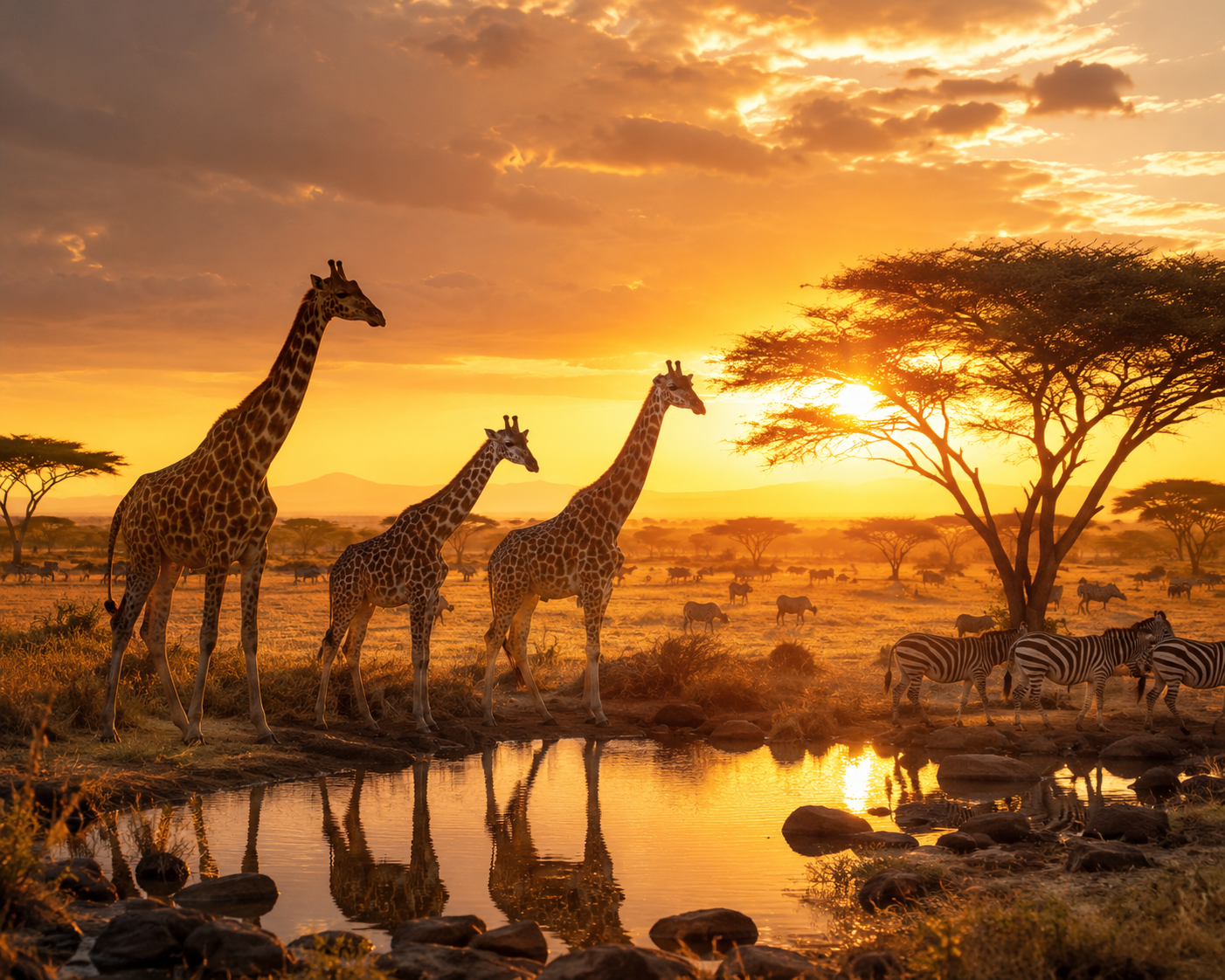
A luxury Kenya safari is a significant investment. Here is an honest breakdown of where your money goes — and why we believe it is worth every shilling.
I founded Solana because I believed the safari industry needed to be clearer with the people who fund it.
The question we are asked most often — after the wildlife questions and the packing questions and the best-time-to-go questions — is a version of this: *why does a safari cost what it costs?* It is a fair question. A Solana journey is priced from $800 - $1,200 per person per night at peak season, depending on the itinerary and the properties involved. That is a significant sum for most people, and significant sums deserve honest accounting.
So here is where the money actually goes.
Conservancy and park fees
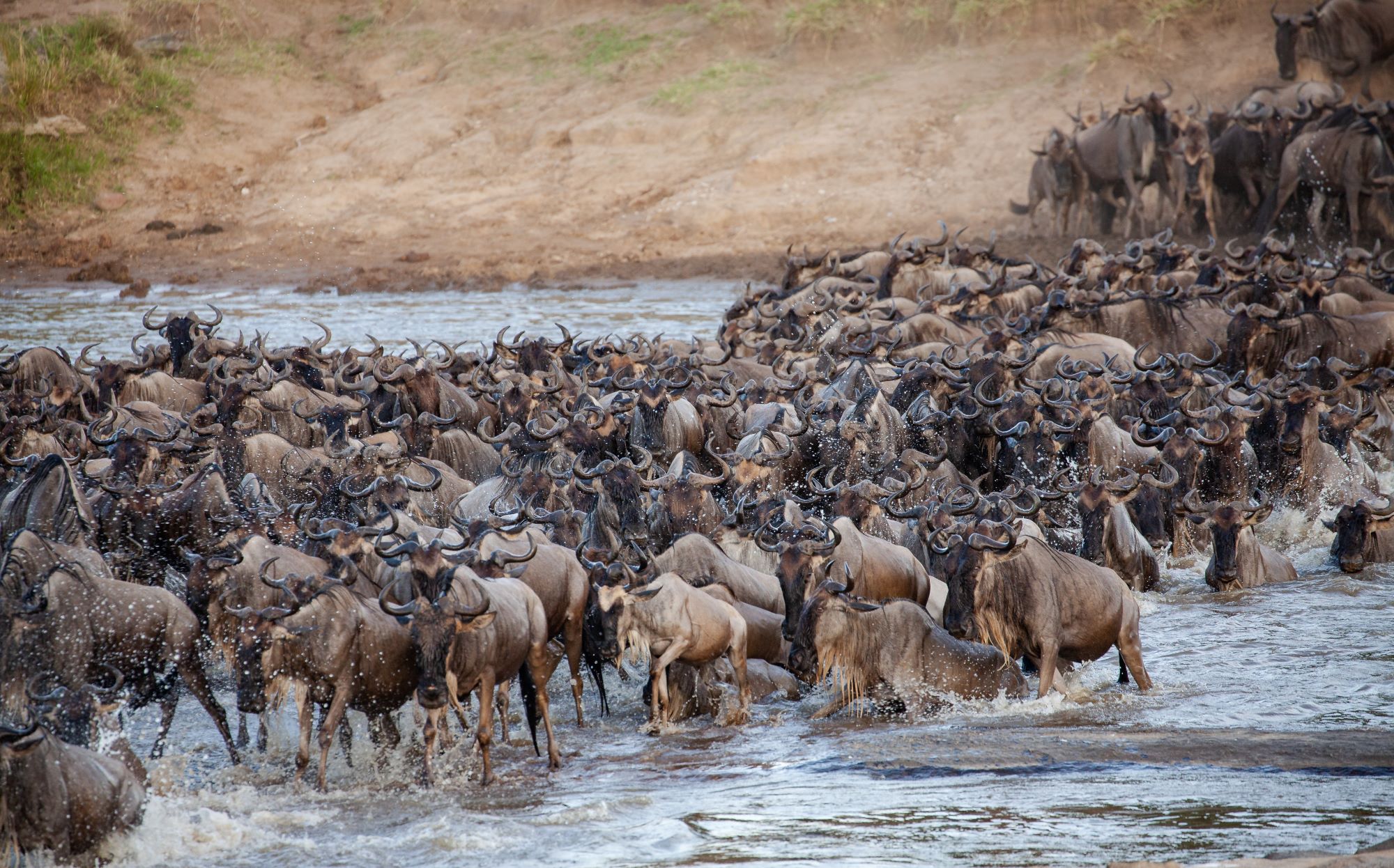
Kenya's national parks charge a daily conservancy fee per visitor. In the Maasai Mara, this currently runs to $200 per person per day. In Amboseli and other national parks, the rates are set by the Kenya Wildlife Service and are comparable. For private conservancies — the community-owned and managed land that surrounds the parks and where some of the most extraordinary wildlife experiences in the country now take place — the fees vary but are rarely below $150 per person per day.
These fees are not a tax. They are the primary funding mechanism for the rangers, the anti-poaching operations, the veterinary services, and the community programs that make it possible for wildlife to exist at the density and diversity that guests come here to see. When we build an itinerary that includes multiple conservancy nights — which most Solana journeys do — conservancy fees alone can account for 20 to 30 percent of the total trip cost. We pay them without negotiation and in full, because the ecosystem we are selling access to requires them to survive.
Accommodation
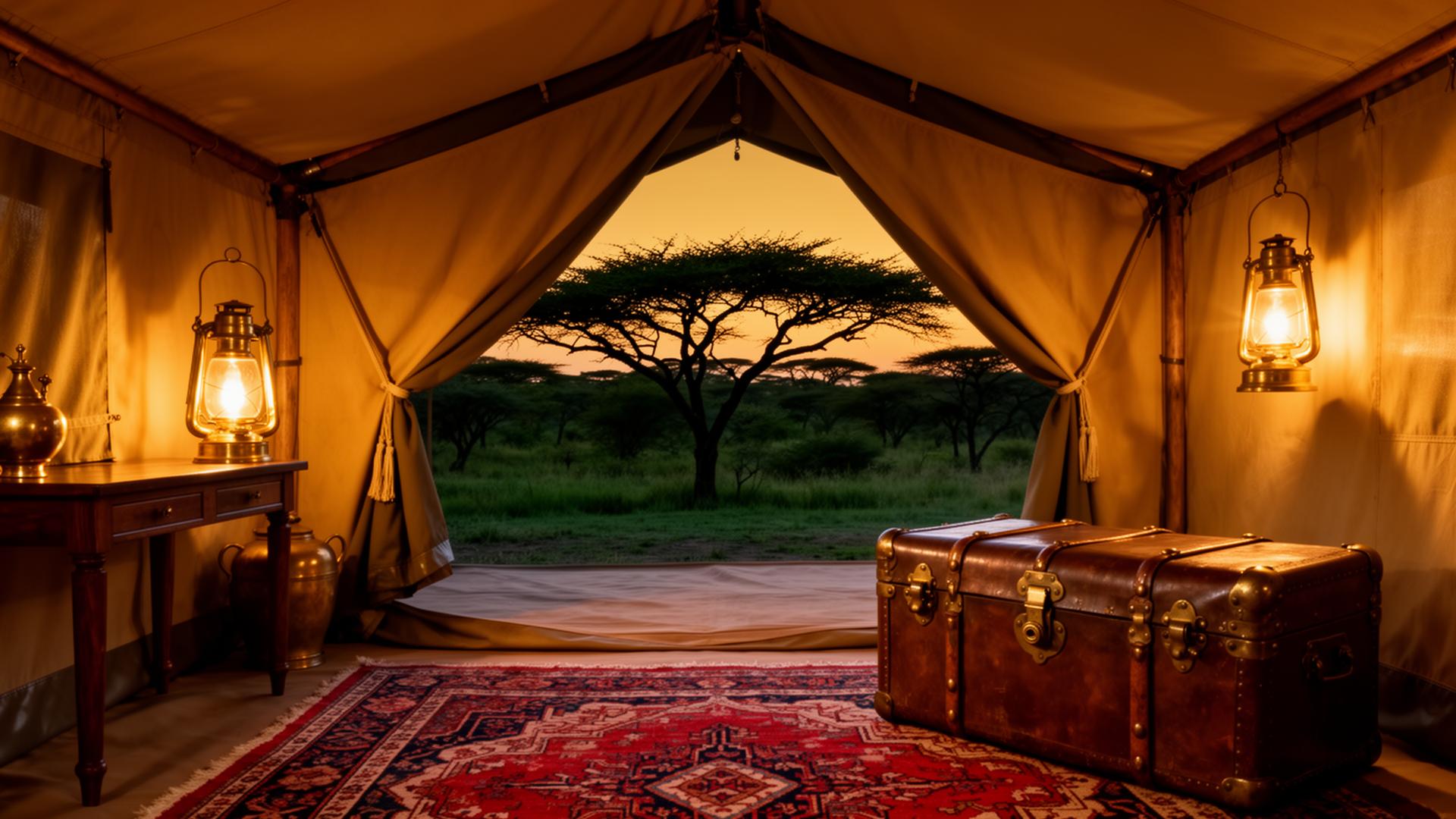
The properties we work with are, without exception, owner-operated or community-partnered camps and lodges. We do not work with large hotel groups or chain properties, because the ownership model matters: money spent at an independently owned bush camp stays in Kenya to a far greater degree than money spent at an internationally listed property. These camps invest significantly in staff training, sustainable infrastructure, and local procurement. Their rates reflect genuine operating costs in remote environments — fuel, food logistics, water management, waste disposal, and staffing — not arbitrary luxury markups.
A mid-range luxury camp in the Mara costs between $400 and $650 per person per night, inclusive of meals, drives, and local activities. A premium camp runs $700 to $1,000. Inclusive means inclusive: there are no surprise extras for a sundowner, a game drive, or a bush breakfast laid out on a kopje at dawn.
Guides
A Solana guide is not a driver. They are a professionally trained naturalist, often with a decade or more of field experience, who has invested years in learning the ecology, geology, bird life, and animal behavior of the specific landscapes they work in. Kenya requires formal certification through the Kenya Professional Safari Guides Association, and the guides we select have typically gone well beyond the minimum qualification. Expert guiding does not come at the cost of a taxi.
A significant portion of what we charge goes directly into guide salaries — fair salaries, above the industry average, because the quality of your experience is almost entirely dependent on the person sitting in the front left seat of the vehicle. We are transparent about this because we want guests to understand that tipping, while appreciated, is not a mechanism for us to underpay the people who make the journey possible.
The Solana fee
We charge a planning and operations fee for designing, booking, and managing your journey. This covers the time our team puts into researching the right sequence of camps for your specific interests, managing all logistics between arrival and departure, briefing you before travel, remaining available by phone throughout your trip, and handling the inevitable variables that arise in remote safari environments. We do not take undisclosed commissions from properties. Our fee is our fee, and it is stated clearly in every quote we provide.
Why we believe it is worth it
A well-constructed Kenya safari is not a holiday. It is one of the few experiences available to contemporary travelers that is genuinely difficult to replicate, genuinely difficult to forget, and genuinely connected to something larger than individual enjoyment. The conservancy model — the one your fees support — has reversed wildlife decline in some of Kenya's most ecologically important landscapes over the past twenty years. Community land that was headed toward subdivision and overgrazing is now recovering. Species that were locally extinct are returning. Children in communities adjacent to conservancies are attending schools that did not exist fifteen years ago.
None of that is incidental to the experience we sell. It is the experience we sell.
We are aware that our prices are not accessible to everyone, and we carry that knowledge with us. What we commit to, in return for what guests trust us with, is that every shilling they spend is accounted for, directed well, and returned — in wildlife, in landscapes, in people, and in memories — with something close to full value.
That is the standard we hold ourselves to. It is the standard you should hold us to as well.
— About the author —
Sydney Swanyah
Founder · Solana Safari & Beyond
Sydney founded Solana because she believed the safari industry needed to be clearer with the people who fund it — and that a luxury Kenya journey deserves an honest accounting of where every shilling goes.