No. II · Destination Guide
The Lamu Guide: Salt, Spice & Stillness
Amina Bakari · March 2026
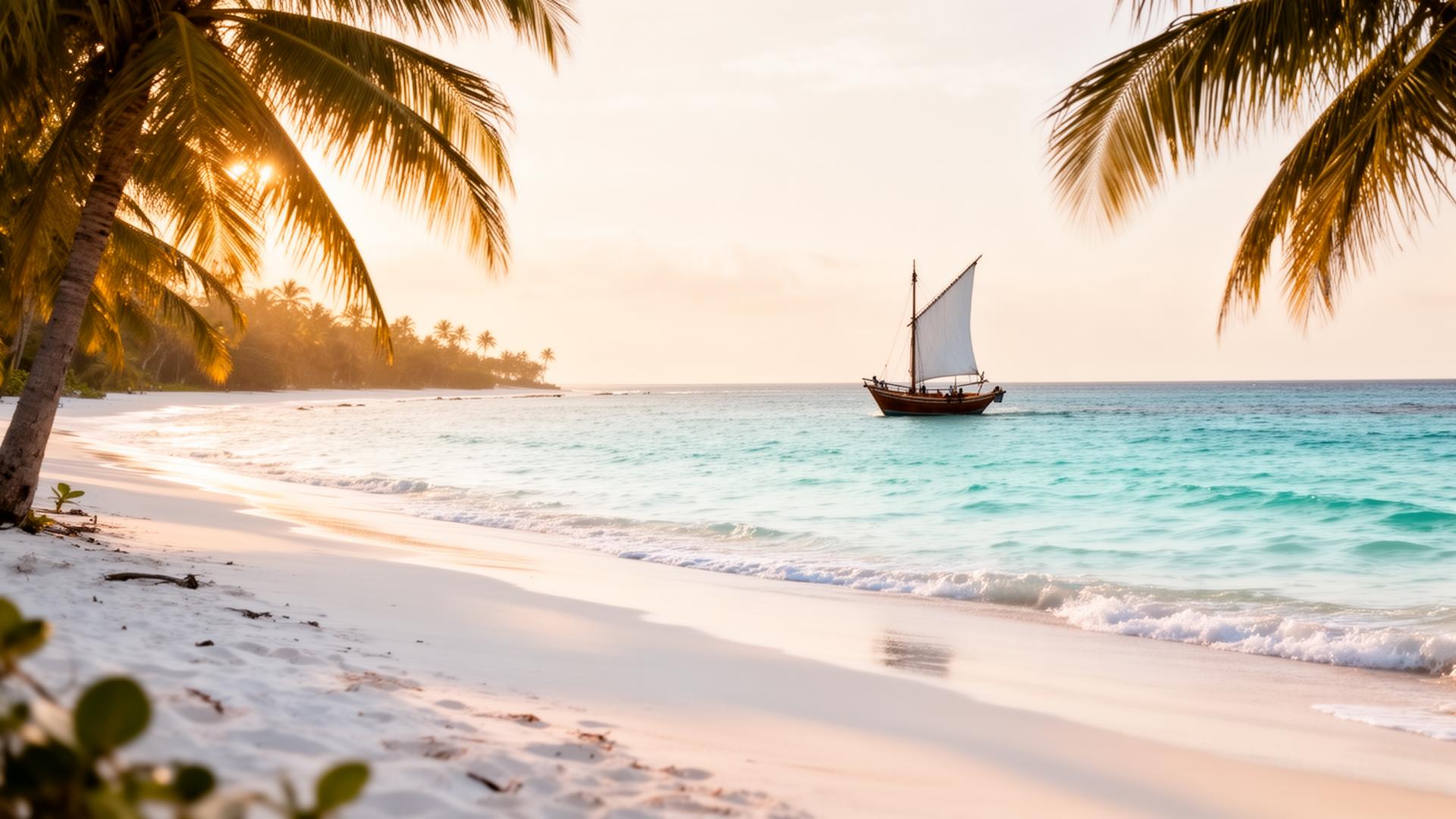
Lamu is not a beach holiday. It is an island that has been trading in frankincense, mangrove poles, and unhurried conversation for eight hundred years. A local's guide to the archipelago.
Lamu is not a beach holiday. It is an island that has been trading in frankincense, mangrove poles, and unhurried conversation for eight hundred years. A local's guide to the archipelago.
I should clarify something before we begin, because the photographs mislead people.
Yes, there are beaches. Yes, the water is the particular shade of turquoise that makes people check whether their camera settings are correct. But guests who come to Lamu for the beaches are like guests who visit Florence for the coffee — they will find what they came for, and they will miss almost everything.
Lamu Town is a UNESCO World Heritage Site and the oldest continuously inhabited settlement on the East African coast. It has been trading — in mangrove poles, in frankincense and sandalwood, in ivory and textiles and ideas — since the twelfth century. It absorbed Persian traders and Omani merchants and Portuguese explorers and Swahili culture and Yemeni architecture and produced from all of this something entirely its own: a town of carved wooden doors, shaded inner courtyards, mosques that have been in use for five hundred years, and a pace of life that has so far resisted every attempt by modernity to quicken it.
There are no cars in Lamu Old Town. There are donkeys, and there are your own feet, and there is the sea.
Getting there
Fly into Lamu Airport on Manda Island. There are daily connections from Nairobi on both Kenya Airways and Jambojet, and the flight takes just under two hours. From the airstrip, a short boat crossing brings you to the archipelago. That boat ride, however brief, is worth paying attention to: the dhow traffic on the channel, the green smear of mangroves along the shore, the white minarets of Lamu Town appearing through the sea haze. It is an arrival that feels, properly, like an arrival.
Where to stay
Lamu rewards those who sleep inside the town itself rather than retreating to a beach resort on the outskirts. The best accommodations are converted Swahili houses, thick coral-rag walls that hold the cool air long into the afternoon, rooftop terraces for morning coffee and evening stargazing, open courtyards where the sounds of the town filter through at a comfortable distance. We have worked with a handful of properties over the years that we trust implicitly; when we design a Solana coast journey, we will always suggest the right fit for you specifically.
If you are prepared for something more remote, the island of Manda and the further reaches of the Pate Island archipelago offer a quietness that Lamu Town, however peaceful by most standards, cannot quite match. A full-day dhow excursion to the ruins at Takwa, on Manda Island, a deserted Swahili town reclaimed almost entirely by the forest — is one of the more quietly remarkable things we know of on the Kenyan coast.
What to eat
The Swahili kitchen is one of the great undersung cuisines of the African continent, and Lamu is arguably its finest address. The foundations are fish, coconut, and spice — biryani that is fragrant and slow-cooked, grilled fish brought to the table with tamarind sauces and chapati that arrive still warm from the griddle, freshly pressed sugarcane juice served in the late afternoon heat. Seek out the small family-run restaurants along the waterfront rather than the tourist-facing establishments closer to the main jetty. Order what is fresh that morning. Ask what the owner loves making at home. You will eat extremely well. For a truly excellent meal, inquire about the morning's freshest offerings or the owner's personal favorite home-cooked dish.
What to do — and what not to rush
The official attractions of Lamu are well-documented. The Lamu Museum, housed in a former colonial administrative building on the waterfront, holds a collection of Swahili artefacts and navigational instruments that tells the archipelago's trading history clearly and without flourish. The Swahili House Museum, a short walk into the old town, is a carefully preserved example of traditional domestic architecture. Both are worth a morning.
But the most rewarding thing to do in Lamu is also the simplest: walk slowly and without a plan. The old town's lanes are narrow enough in places to touch both walls simultaneously, and they open unexpectedly onto small squares, hidden mosques, carpentry workshops where craftsmen are shaping the same ornate door frames that have been made here for centuries. Get lost, politely. Accept the tea you will inevitably be offered. The town will show you what it wants you to see at its own pace, which has always been the right pace for Lamu.
A note on timing
Avoid the long rains, which run roughly from April through June. The best months are July through October, when the southeast trade winds keep the temperature honest and the sea is at its clearest. The Lamu Cultural Festival, held annually in November, is worth timing a visit around — it draws dhow racers and traditional musicians and craftspeople from across the archipelago and is one of the more joyful public events we know of on the coast.
One final thing
Lamu will ask something of you that most holidays do not. It will ask you to slow down — not performatively, not as a wellness exercise, but genuinely. The town was not designed for urgency and does not accommodate it gracefully. Bring fewer plans than you think you need. Leave more days than you think are necessary. Plan less than you believe is necessary, and allocate more time than you think you need. The archipelago has been here for eight hundred years. It is in no hurry, and it will be at its best for guests who aren't either.
— About the author —
Amina Bakari
Coast Director · Lamu Archipelago
Amina grew up on Lamu Island and spent a decade in hospitality in Zanzibar and the Maldives before returning to run our coastal programme. She knows every dhow captain, chef, and hidden beach between Shela and Kiwayu.